


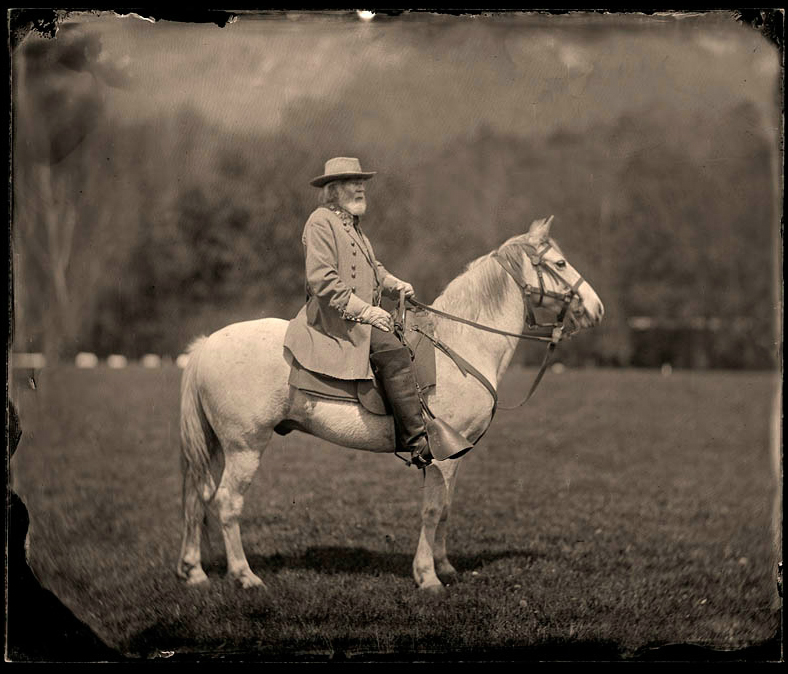


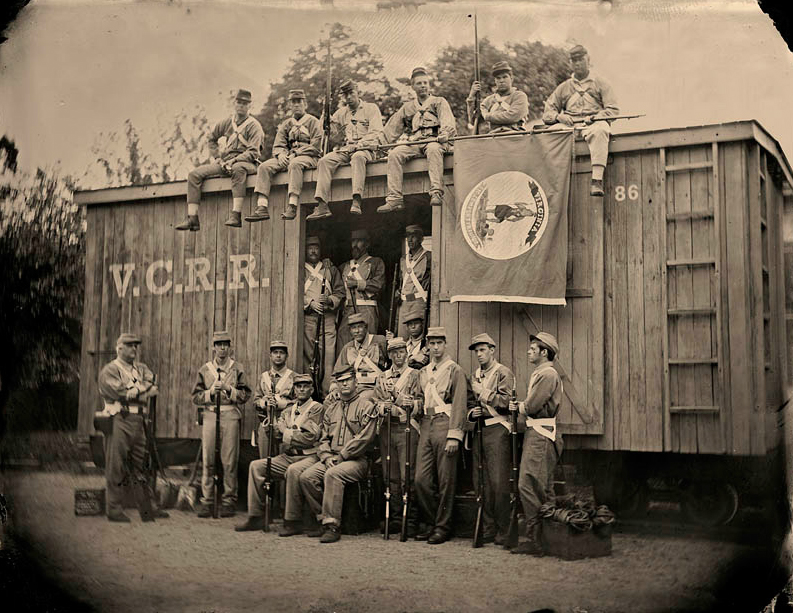


"Having said that though, with a good teacher and if you can pay attention to detail, you can learn wet plate. A lot of it just takes practice. When I started, I was pouring over 50 plates a week till I got it down. Everyday, I was out in the backyard pouring and processing plates.“

The Wet Plate Collodion Process
Early demands of photography essentially required the making of your own film before an image could be struck. The "film" could be metal (tin types) or glass. Only glass could provide a negative to be used for printmaking. Cameras were built in varying sizes and glass plates were cut to accommodate the specific camera. Preparing the plate entailed thorough cleansing until spotless. Collodion, a sticky solution, is poured onto the plate to form a thin layer that evenly coats the plate, with all excess removed. In a darkroom where the only light used comes through a red glass filter, the plate is then immersed into a bath of silver nitrate for several minutes. This makes the plate light sensitive, so upon removal from the bath it is put into a lightproof plate holder that is then placed onto the back of the camera. The focusing of the camera lens is set beforehand. The plate holder has a removable panel called a dark slide, which is removed after the plate holder is on the camera. The cap on the camera lens acts as the shutter, and when it is removed the plate is exposed to light and an image is cast. The exposure time for wet plate landscape photography is generally around 20 seconds to one minute, depending on the intensity and color of the light on the subject. Wet plate photography needs natural daylight. After the plate has been exposed, the lens cap is put back on, the dark slide reinserted, the plate holder is removed from the camera and taken back to the darkroom to be developed. The plate is developed in an iron sulfate developer and fixed in sodium thiosulfate. After thorough rinsing in clean water it is allowed to dry and then a coating of varnish is applied, which seals and protects the image. Making prints from negatives is done with a special printing frame where the negative is put in contact with photosensitive paper. Most of the landscape pictures taken with the wet plate process have a cloudless sky. This is due to the blue light sensitivity of the process. To properly expose the whole image on the plate makes the sky very overexposed leaving it to appear blank on the print. If you do see clouds on a wet plate image they were most likely over printed onto the print from a separate negative showing just clouds. The stereo camera is no different from the wet plate landscape camera except for having two lenses that are set in the camera about the same distance apart as your eyes. They produce two side-by-side images on the same negative of a scene from two slightly different angles. This makes a 3D image that is refocused and viewed by using a stereoscope.
Early demands of photography essentially required the making of your own film before an image could be struck. The "film" could be metal (tin types) or glass. Only glass could provide a negative to be used for printmaking. Cameras were built in varying sizes and glass plates were cut to accommodate the specific camera. Preparing the plate entailed thorough cleansing until spotless. Collodion, a sticky solution, is poured onto the plate to form a thin layer that evenly coats the plate, with all excess removed. In a darkroom where the only light used comes through a red glass filter, the plate is then immersed into a bath of silver nitrate for several minutes. This makes the plate light sensitive, so upon removal from the bath it is put into a lightproof plate holder that is then placed onto the back of the camera. The focusing of the camera lens is set beforehand. The plate holder has a removable panel called a dark slide, which is removed after the plate holder is on the camera. The cap on the camera lens acts as the shutter, and when it is removed the plate is exposed to light and an image is cast. The exposure time for wet plate landscape photography is generally around 20 seconds to one minute, depending on the intensity and color of the light on the subject. Wet plate photography needs natural daylight. After the plate has been exposed, the lens cap is put back on, the dark slide reinserted, the plate holder is removed from the camera and taken back to the darkroom to be developed. The plate is developed in an iron sulfate developer and fixed in sodium thiosulfate. After thorough rinsing in clean water it is allowed to dry and then a coating of varnish is applied, which seals and protects the image. Making prints from negatives is done with a special printing frame where the negative is put in contact with photosensitive paper. Most of the landscape pictures taken with the wet plate process have a cloudless sky. This is due to the blue light sensitivity of the process. To properly expose the whole image on the plate makes the sky very overexposed leaving it to appear blank on the print. If you do see clouds on a wet plate image they were most likely over printed onto the print from a separate negative showing just clouds. The stereo camera is no different from the wet plate landscape camera except for having two lenses that are set in the camera about the same distance apart as your eyes. They produce two side-by-side images on the same negative of a scene from two slightly different angles. This makes a 3D image that is refocused and viewed by using a stereoscope.


